Ramadan in Marrakech: Adapting as a Non-Muslim Tourist or Expat
ramadan in marrakech: adapting as a non-muslim tourist or expat
04 February 2026
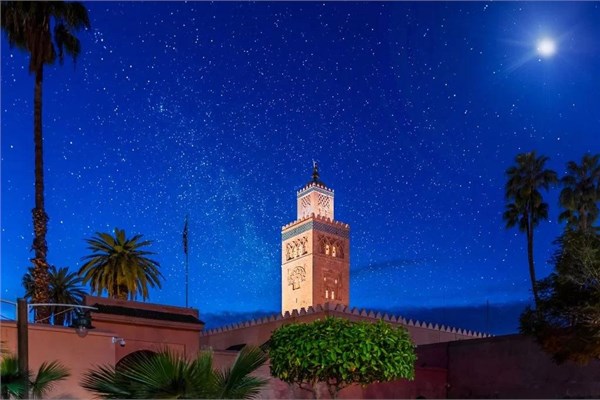
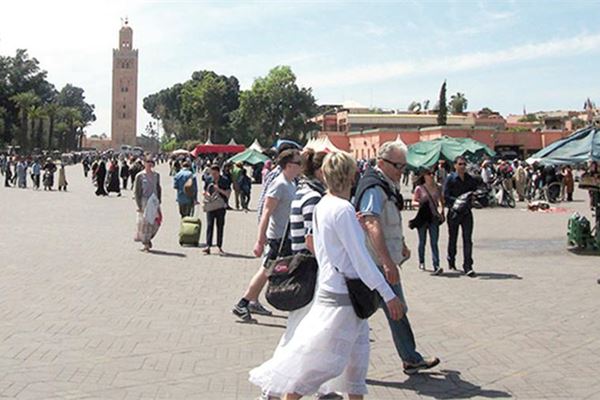
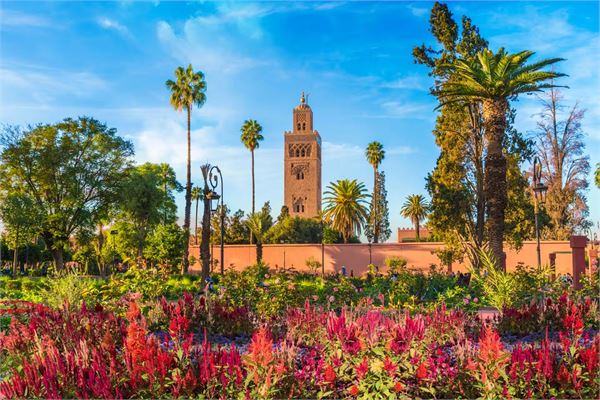
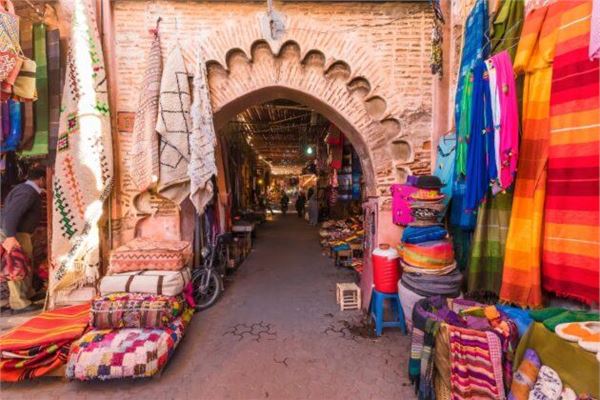
Ramadan in Marrakech is a unique period that transforms the ochre city. For non-Muslim tourists and expats, this experience can be both fascinating and bewildering. This guide will help you understand and respect this sacred period while fully enjoying your stay in the Pearl of the South.Understanding Ramadan: Context and SignificanceRamadan is the ninth month of the Islamic lunar calendar, considered the holiest month of the year. During this period, practicing Muslims abstain from eating, drinking, smoking, and having intimate relations from dawn to sunset.Beyond physical fasting, Ramadan is a month of spiritual purification, intensified prayer, charity, and family bonding. In Marrakech, this spiritual dimension permeates every street, every alley of the medina.Concrete Changes in Marrakech During RamadanDisrupted SchedulesLife in Marrakech follows a radically different rhythm during Ramadan. Most businesses open late in the morning (around 10-11 am) and close in the afternoon before reopening after the fast-breaking. Traditional restaurants are generally closed during the day but come alive after sunset.Government offices and businesses operate on reduced hours, often from 9 am to 3 pm. Plan your activities accordingly.City AtmosphereDuring the day, Marrakech may seem calmer than usual. The streets are less lively, and a certain lethargy prevails, especially in the late afternoon when the fatigue of fasting is felt.Conversely, the city electrifies after sunset. Jemaa el-Fna Square, normally lively, becomes absolutely electric. Cafes overflow, food stalls proliferate, and a unique festive atmosphere fills the medina until the early hours of the morning.Practical Guide: Respect and EtiquetteEating and Drinking in PublicWhile technically non-Muslims are not required to fast, discretion is advised. Avoid eating, drinking, or smoking conspicuously in public places during fasting hours. This mark of respect is greatly appreciated by the local population.Where to Eat During the Day?Tourist hotels generally serve their guests in closed spaces. Some restaurants in Guéliz remain open with opaque windows or drawn curtains. Supermarkets like Carrefour or Marjane allow you to buy supplies for meal preparation. A few international establishments in tourist areas maintain discreet service.Dress CodeRamadan reinforces the importance of modest dress. Opt for clothing that covers the shoulders and extends at least to the knees. This rule applies to both women and men, although expectations are generally stricter for women.In traditional neighborhoods and the medina, choose even more conservative attire. Light and flowing fabrics are perfect for balancing respect and comfort under the Moroccan heat.General BehaviorSome tips for navigating this period smoothly: be patient as services may be slower, especially in the late afternoon. Avoid public displays of affection, even between married couples. Speak more softly and adopt a more sober general attitude. If someone wishes you "Ramadan Mubarak" (Blessed Ramadan), simply respond in kind. Do not take photos of people breaking their fast without permission.Unique Opportunities for VisitorsFtour: Participating in the Breaking of the FastOne of the most magical moments of Ramadan is the ftour, the breaking of the fast at sunset. If you are invited by Moroccan friends, it is a great honor. Accept with gratitude and bring dates or pastries as a gesture of courtesy.Many riads and restaurants offer special ftour menus allowing visitors to experience this tradition. Start with dates and milk (the Prophet's tradition), followed by harira soup, then a variety of traditional dishes.Cultural ExperiencesRamadan nights offer unprecedented experiences. Night souks come alive with particular energy. Pastry shops offer Ramadan specialties like chebakia and sellou. Cafes organize musical and cultural evenings. Some mosques welcome non-Muslims to observe (from outside) the tarawih prayers. The festive atmosphere culminates during the last ten days, especially on the night of Laylat al-Qadr.Shopping and CraftsmanshipParadoxically, Ramadan is an excellent time for shopping. After ftour, the souks remain open late into the night. Artisans are more available for discussions, and you can observe the making of special Ramadan products.Temporary markets sell specific items: traditional outfits, decorations, utensils for ftour meals, and a profusion of food products.Practical Tips by DomainTransportPublic transport operates on reduced schedules. Taxis may be rarer in the late afternoon (around 5-6:30 pm) as many drivers return to break the fast with family.Tip: Use ride-hailing apps like InDrive, Careem, or official taxis via apps that remain more reliable during this period.Tourist VisitsMost monuments and tourist sites maintain their normal hours, although sometimes reduced. Check before you go. The Majorelle Gardens are generally open as usual, the Bahia Palace may close earlier, and the hours of the Saadian Tombs and museums are often reduced.The advantage? Sites are generally less crowded during the day, offering a more peaceful experience.Health and Well-beingTraditional spas and hammams may have modified hours. Book in advance and confirm opening hours.Stay well-hydrated, especially if visiting in summer. Even if you are not fasting, be mindful of your water consumption discreetly.Do's and Don'ts: RecapDO:Respect fasting hours by being discreetDress modestlyEnjoy the lively post-ftour eveningsTaste Ramadan specialtiesBe patient and understandingAccept invitations to share ftourPlan your activities considering the modified schedulesDON'T:Eat, drink, or smoke conspicuously in public during the dayWear overly revealing outfitsBe loud or demonstrative in publicBe impatient with slowed servicesConsume alcohol in public (even more taboo during Ramadan)Photograph people without permission, especially during ftourPlan important visits without checking schedulesRamadan: Opportunity or Constraint?Visiting Marrakech during Ramadan divides travelers. Some fear the inconveniences, others see it as a unique opportunity for cultural authenticity.The reality? It's a profoundly different experience that requires adaptability but offers in return an immersion into a more intimate, spiritual Morocco. You will see the city in a light that few tourists know.The magical nights, the atmosphere of sharing, the heightened generosity, the unique flavors of ftour tables... all create unforgettable memories for those who observe with respect and curiosity.ConclusionExperiencing Ramadan in Marrakech as a non-Muslim is not just about respecting restrictions, but rather an invitation to slow down, observe, and immerse yourself in a fascinating cultural and spiritual dimension.With a bit of preparation, a lot of respect, and an open mind, this period can transform your stay into an authentic and enriching experience. You will discover a different Marrakech, more intimate, where generosity and spirituality manifest at every corner.Ramadan Mubarak to all who choose to embark on this Marrakchi adventure!Practical InformationRamadan Dates: Ramadan follows the lunar calendar and shifts back by about 10-11 days each year. Check the exact dates before your trip.Fasting Hours: From dawn (fajr) to sunset (maghreb). Precise times are announced daily and vary by a few minutes each day.Useful Apps: Muslim Pro or Al-Moazin to know the exact prayer times.End of Ramadan: Eid al-Fitr marks the end of the fasting month with three days of celebration. Expect everything to be closed on the first day, followed by a very festive atmosphere.


L'équipe de Real-dreamhouse
Notre équipe dynamique et dédiée à la clé de votre succès. Nous offrons un service professionnel sur mesure, respectant des standards élevés pour réaliser vos ambitions immobilières.

Benoit PRIVEL
Fondateur Manager
Salwa SAMSAK
Manager Événementiel
Sophie BELLAVOINE
Manager Consultant
Tawfik BOUAMANE
Consultant Manager RabatContact us for a free valuation of your property!
Get a free and reliable valuation of your property in Marrakech, carried out by our local experts.