Transport and Mobility in Morocco: Transformations and Perspectives 2030
transport and mobility in morocco: transformations and perspectives 2030
04 March 2026
For several years, Morocco has been undergoing a profound transformation of its transport infrastructure. Rail, urban mobility, air connections and international openness: the country is investing heavily to support its economic growth, meet the needs of its population and strengthen its appeal for tourism and real estate.
High-speed rail, a pillar of modernization
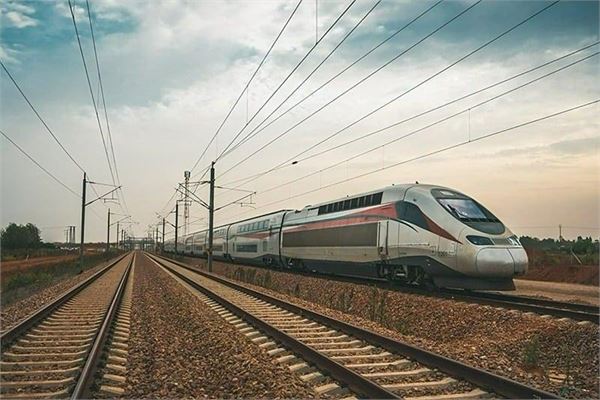
The commissioning of the Al Boraq line linking Tangier to Casablanca marked a historic turning point. Operated by the National Railways Office, this first high-speed line in Africa has significantly reduced travel times and repositioned Morocco as a regional rail leader.
A new strategic extension is underway toward Marrakech. In time, it will connect the north to the center of the country in record time and more effectively link major economic and tourist areas. This momentum is part of a long-term vision aimed at strengthening the country’s backbone corridor and preparing for major international milestones by 2030.
Beyond high-speed rail, the conventional rail network is also being modernized: renewing rolling stock, upgrading stations, increasing frequencies and developing regional trains to ease everyday travel.
Urban mobility: between tradition and modernization
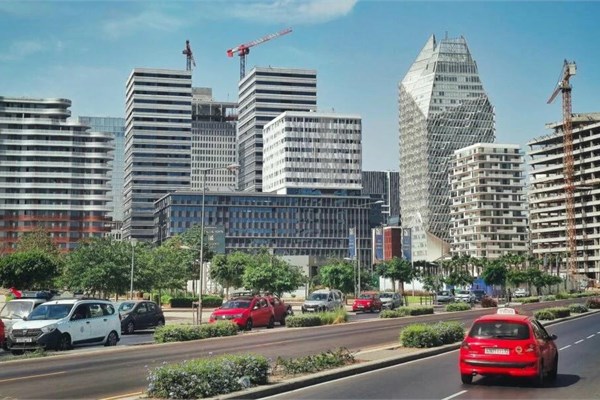
In major cities such as Casablanca, Rabat and Marrakech, urban mobility is gradually evolving. Tram networks are expanding, bus services are being restructured and regional express transport projects are emerging to ease congestion in city centers.
As for ride-hailing services, international platforms like Uber have tried to establish themselves in the past, but the market remains tightly regulated and dominated by traditional taxis. Regional and local alternatives are nevertheless developing, reflecting growing demand for digital and flexible solutions.
This transition poses the challenge of balancing modernization, regulation and the preservation of existing socio-economic balances.
New international connections
Morocco’s strategy is not limited to land transport. Major airports, notably Casablanca’s, are strengthening their links with Europe, Africa and the Middle East. The National Airports Office is leading expansion and modernization programs to increase capacity and improve the passenger experience.
At the same time, strategic ports such as Tanger Med are consolidating Morocco’s position as an international logistics hub. This maritime, air, and rail interconnection creates an integrated mobility ecosystem that supports trade and foreign investment.
Economic and real estate impacts
Massive investment in transport infrastructure has a direct effect on the national economy. It stimulates employment, energizes the regions it crosses and fosters the emergence of new urban hubs.
For the real estate market, improved accessibility is transforming the value of certain neighborhoods and cities. Reduced travel times make broader residential mobility possible: living in Marrakech while occasionally working in Casablanca, investing in areas previously considered peripheral, or developing tourism projects in better-connected regions.
As the FIFA World Cup 2030, co-hosted by Morocco, approaches, these infrastructures also play a strategic role in welcoming millions of visitors and strengthening the country’s image internationally.
Toward more sustainable mobility
The development of electric rail, the expansion of public transport and urban planning oriented toward sustainable mobility reflect a determination to reduce dependence on private cars and the carbon footprint.
Morocco thus seeks to reconcile growth, modernity and environmental responsibility, while meeting the expectations of a rapidly expanding urban population.
Conclusion
Mobility in Morocco is entering a new era. Between high-speed rail, urban modernization and international openness, the country is building the foundations of a faster, more structured and more strategic network.
These changes not only transform the way people move: they are reshaping the Kingdom’s economic, tourism and real estate dynamics for decades to come.
For several years, Morocco has been undergoing a profound transformation of its transport infrastructure. Rail, urban mobility, air connections and international openness: the country is investing heavily to support its economic growth, meet the needs of its population and strengthen its appeal for tourism and real estate.
High-speed rail, a pillar of modernization
The commissioning of the Al Boraq line linking Tangier to Casablanca marked a historic turning point. Operated by the National Railways Office, this first high-speed line in Africa has significantly reduced travel times and repositioned Morocco as a regional rail leader.
A new strategic extension is underway toward Marrakech. In time, it will connect the north to the center of the country in record time and more effectively link major economic and tourist areas. This momentum is part of a long-term vision aimed at strengthening the country’s backbone corridor and preparing for major international milestones by 2030.
Beyond high-speed rail, the conventional rail network is also being modernized: renewing rolling stock, upgrading stations, increasing frequencies and developing regional trains to ease everyday travel.
Urban mobility: between tradition and modernization
In major cities such as Casablanca, Rabat and Marrakech, urban mobility is gradually evolving. Tram networks are expanding, bus services are being restructured and regional express transport projects are emerging to ease congestion in city centers.
As for ride-hailing services, international platforms like Uber have tried to establish themselves in the past, but the market remains tightly regulated and dominated by traditional taxis. Regional and local alternatives are nevertheless developing, reflecting growing demand for digital and flexible solutions.
This transition poses the challenge of balancing modernization, regulation and the preservation of existing socio-economic balances.
New international connections
Morocco’s strategy is not limited to land transport. Major airports, notably Casablanca’s, are strengthening their links with Europe, Africa and the Middle East. The National Airports Office is leading expansion and modernization programs to increase capacity and improve the passenger experience.
At the same time, strategic ports such as Tanger Med are consolidating Morocco’s position as an international logistics hub. This maritime, air, and rail interconnection creates an integrated mobility ecosystem that supports trade and foreign investment.
Economic and real estate impacts
Massive investment in transport infrastructure has a direct effect on the national economy. It stimulates employment, energizes the regions it crosses and fosters the emergence of new urban hubs.
For the real estate market, improved accessibility is transforming the value of certain neighborhoods and cities. Reduced travel times make broader residential mobility possible: living in Marrakech while occasionally working in Casablanca, investing in areas previously considered peripheral, or developing tourism projects in better-connected regions.
As the FIFA World Cup 2030, co-hosted by Morocco, approaches, these infrastructures also play a strategic role in welcoming millions of visitors and strengthening the country’s image internationally.
Toward more sustainable mobility
The development of electric rail, the expansion of public transport and urban planning oriented toward sustainable mobility reflect a determination to reduce dependence on private cars and the carbon footprint.
Morocco thus seeks to reconcile growth, modernity and environmental responsibility, while meeting the expectations of a rapidly expanding urban population.
Conclusion
Mobility in Morocco is entering a new era. Between high-speed rail, urban modernization and international openness, the country is building the foundations of a faster, more structured and more strategic network.
These changes not only transform the way people move: they are reshaping the Kingdom’s economic, tourism and real estate dynamics for decades to come.

L'équipe de Real-dreamhouse
Notre équipe dynamique et dédiée à la clé de votre succès. Nous offrons un service professionnel sur mesure, respectant des standards élevés pour réaliser vos ambitions immobilières.

Benoit PRIVEL
Fondateur Manager
Salwa SAMSAK
Manager Événementiel
Sophie BELLAVOINE
Manager Consultant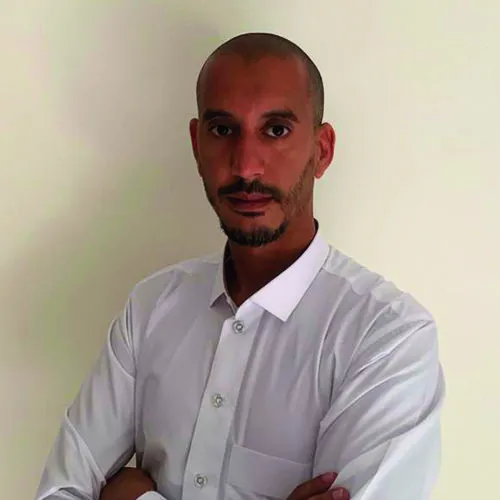
Tawfik BOUAMANE
Consultant Manager RabatContact us for a free valuation of your property!
Get a free and reliable valuation of your property in Marrakech, carried out by our local experts.