
France, Belgium, USA: Foreigners Investing Heavily in Morocco
france, belgium, usa: foreigners investing heavily in morocco
01 December 2025
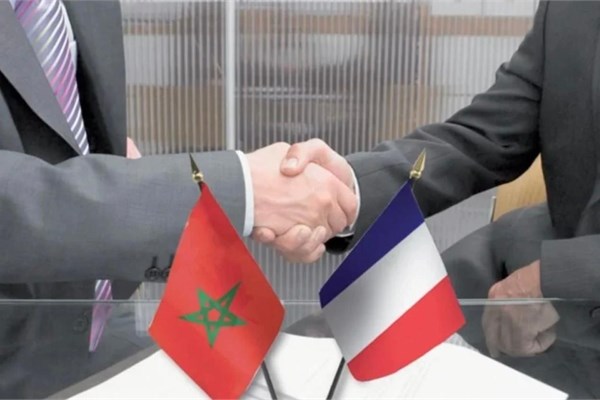
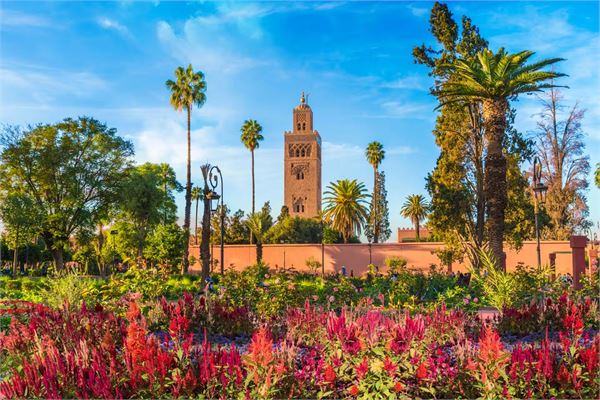
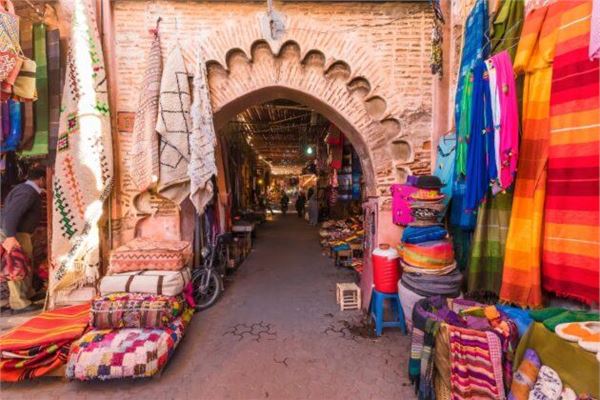
The Moroccan real estate market is experiencing unprecedented excitement, driven by a massive influx of international investors. With political stability, yield opportunities, and an attractive fiscal framework, the Kingdom is drawing capital from around the world. An analysis of a phenomenon reshaping the national real estate landscape.France: A Historical Leader Maintaining Its Top PositionFrance remains the leading investor in Morocco in 2023, with net flows exceeding 6.8 billion dirhams, representing 61.4% of the total net foreign direct investments in the country. This French dominance is not new, but it reflects a lasting confidence in the Moroccan economy.In the real estate sector specifically, France ranks first with 27.3% of the revenues invested in this sector in 2018. This preference is explained by several factors: linguistic and cultural proximity, historical ties between the two countries, and ease of exchange.More than 700 French subsidiaries operate in Morocco, directly employing 100,000 people. In 2023, the stock of French investments in Morocco reached 15 billion euros. These figures illustrate a deep and structural commitment, far beyond one-off real estate investment.The cities favored by French investors are mainly Marrakech, Essaouira, and Fès, where the architectural authenticity and traditional Moroccan charm particularly appeal to this clientele seeking a unique lifestyle.Belgium and Switzerland: Francophones Conquered by the Red PearlBelgian and Swiss investors, along with the French, form the core of international real estate demand in Marrakech. These Francophone countries show a growing presence in the Moroccan luxury market.The Francophone clientele, mainly composed of French, Belgians, and Swiss, is particularly numerous, attracted by Moroccan culture and ease of communication. The absence of a language barrier significantly facilitates transactions and settlement in the country.Belgian investors stand out for their interest in traditional riads in the medina as well as villas in the Palmeraie. They generally seek properties offering a mix of authenticity and modern comfort, with an average budget ranging from 500,000 to 2 million dirhams.The United States: The New Rising ActorAmericans are beginning to show interest in the high-end real estate market in Marrakech, notably with new and strengthened air connections between the United States and Morocco. This phenomenon represents a major evolution in the profile of international investors.In an announcement published in the New York Times, Americans are encouraged to buy in Marrakech where prices are considered unbeatable compared to the American market. This public communication reflects a growing interest across the Atlantic for Moroccan real estate opportunities.American investors stand out with often higher budgets and a search for exceptional properties. Some opt for creating luxury guesthouses or tourism and sports projects, thus generating local jobs and dynamic economic activity.The United Arab Emirates: The Rising PowerIn 2024, the United Arab Emirates climbed to the top of foreign investors in Morocco, with 3.1 billion dirhams injected into the national economy, a spectacular increase of 57.8% compared to 2023. This rapid rise marks a turning point in the geography of investments in Morocco.Emirati investments are mainly concentrated in luxury real estate and high-end tourism projects, particularly in Marrakech, Rabat, and the Atlantic coast. Their strategy is part of a long-term vision of economic development and regional influence.The Netherlands, Spain, and Other Emerging NationalitiesMoroccans residing in Europe, notably in France and the Netherlands, are showing growing interest in real estate in Morocco, contributing to upward pressure on property prices.Dutch investors, although fewer than their European neighbors, favor acquisitions in northern Morocco, particularly in the Tanger-Tétouan region, where industrial development and the arrival of the TGV have created interesting opportunities.As for the Spanish, their geographical proximity naturally pushes them towards northern Morocco and the new city of Tamesna. Italians, on the other hand, are developing a modest but growing presence, attracted by the climate and Moroccan exoticism.Real Estate: The Flagship Sector of Foreign InvestmentsThe real estate sector occupies the top spot for foreign direct investments in 2023, with 5.9 billion dirhams representing 53% of total net flows. This concentration reveals the particular attractiveness of the Moroccan real estate market for international capital.Over the past fifteen years, from 2008 to 2023, the real estate sector has emerged as one of the main beneficiaries of foreign direct investments, attracting an average of eight billion dirhams per year. This regularity reflects a structural confidence in the market's potential.Why is Morocco so attractive to foreign investors?Reassuring Political and Economic StabilityMorocco benefits from recognized political stability and modern infrastructure. Major projects, such as the Casablanca-Tanger TGV or the development of special economic zones, attract investors from various backgrounds.An Advantageous Fiscal FrameworkForeign investors benefit from significant tax advantages: for new properties, rental income is not taxed for 3 years and is exempt from urban tax for 5 years.Moreover, the transfer guarantee allows investors to freely repatriate the income from the sale of their real estate, after taxes, without time or amount limits to their country of origin.Attractive ReturnsMorocco offers a strong rental yield estimated between 6 and 8%, making it a particularly attractive investment for foreign investors. These returns, significantly higher than those observed in Europe, are a strong argument for investors seeking performance.An Exceptional Tourism BoomMorocco reached a historic milestone in November 2024, recording 15.9 million visitors since the beginning of the year, an increase of 20% compared to 2023. This tourism dynamic supports the demand for seasonal rentals and fuels the appreciation of real estate.The Challenges and Issues of This InternationalizationThe Price SurgeThe influx of foreign investors, combined with the demand from Moroccans Residing Abroad (MRE), leads to significant upward pressure on prices. This situation makes property access increasingly difficult for Moroccan middle-income households, creating social tensions in some sought-after cities.The Need for an Adapted Regulatory FrameworkIt is necessary to establish a clear regulatory framework to accompany these investments, ensure sustainable integration into the local fabric, and avoid the adverse effects of uncontrolled speculation.Moroccan authorities face the challenge of maintaining the country's attractiveness for international investors while preserving housing accessibility for the local population.Opportunities for the Local EconomyBeyond price issues, these investments generate positive impacts: job creation in construction, development of associated services (rental management, concierge, maintenance), and stimulation of local commerce in invested areas.Prospects for 2025 and BeyondIn 2024, the country strengthened its position by signing several bilateral agreements aimed at encouraging foreign investment flows, with tax reliefs for investors in tourism or residential real estate.The organization of the 2030 FIFA World Cup, which Morocco will co-host, is expected to further amplify international investors' interest. Host cities are already anticipating an increase in demand for hotel and residential infrastructure.The Moroccan real estate market is undergoing a profound transformation, driven by this growing diversification of foreign investors. While France maintains its dominant position, the emergence of new players like the United States and the United Arab Emirates enriches the landscape and reflects the growing attractiveness of the Cherifian Kingdom on the international stage.For potential investors, Morocco represents a unique opportunity combining geographical proximity for Europeans, attractive returns, favorable fiscal framework, and exceptional quality of life. But this rush for Moroccan real estate gold will require a delicate balance between openness to foreign capital and preservation of housing access for local populations.Are you considering investing in Moroccan real estate? Contact our Real-dreamhouse experts for personalized support in your acquisition project in Morocco.The Moroccan real estate market is experiencing unprecedented excitement, driven by a massive influx of international investors. With political stability, yield opportunities, and an attractive fiscal framework, the Kingdom is drawing capital from around the world. An analysis of a phenomenon reshaping the national real estate landscape.France: A Historical Leader Maintaining Its Top PositionFrance remains the leading investor in Morocco in 2023, with net flows exceeding 6.8 billion dirhams, representing 61.4% of the total net foreign direct investments in the country. This French dominance is not new, but it reflects a lasting confidence in the Moroccan economy.In the real estate sector specifically, France ranks first with 27.3% of the revenues invested in this sector in 2018. This preference is explained by several factors: linguistic and cultural proximity, historical ties between the two countries, and ease of exchange.More than 700 French subsidiaries operate in Morocco, directly employing 100,000 people. In 2023, the stock of French investments in Morocco reached 15 billion euros. These figures illustrate a deep and structural commitment, far beyond one-off real estate investment.The cities favored by French investors are mainly Marrakech, Essaouira, and Fès, where the architectural authenticity and traditional Moroccan charm particularly appeal to this clientele seeking a unique lifestyle.Belgium and Switzerland: Francophones Conquered by the Red PearlBelgian and Swiss investors, along with the French, form the core of international real estate demand in Marrakech. These Francophone countries show a growing presence in the Moroccan luxury market.The Francophone clientele, mainly composed of French, Belgians, and Swiss, is particularly numerous, attracted by Moroccan culture and ease of communication. The absence of a language barrier significantly facilitates transactions and settlement in the country.Belgian investors stand out for their interest in traditional riads in the medina as well as villas in the Palmeraie. They generally seek properties offering a mix of authenticity and modern comfort, with an average budget ranging from 500,000 to 2 million dirhams.The United States: The New Rising ActorAmericans are beginning to show interest in the high-end real estate market in Marrakech, notably with new and strengthened air connections between the United States and Morocco. This phenomenon represents a major evolution in the profile of international investors.In an announcement published in the New York Times, Americans are encouraged to buy in Marrakech where prices are considered unbeatable compared to the American market. This public communication reflects a growing interest across the Atlantic for Moroccan real estate opportunities.American investors stand out with often higher budgets and a search for exceptional properties. Some opt for creating luxury guesthouses or tourism and sports projects, thus generating local jobs and dynamic economic activity.The United Arab Emirates: The Rising PowerIn 2024, the United Arab Emirates climbed to the top of foreign investors in Morocco, with 3.1 billion dirhams injected into the national economy, a spectacular increase of 57.8% compared to 2023. This rapid rise marks a turning point in the geography of investments in Morocco.Emirati investments are mainly concentrated in luxury real estate and high-end tourism projects, particularly in Marrakech, Rabat, and the Atlantic coast. Their strategy is part of a long-term vision of economic development and regional influence.The Netherlands, Spain, and Other Emerging NationalitiesMoroccans residing in Europe, notably in France and the Netherlands, are showing growing interest in real estate in Morocco, contributing to upward pressure on property prices.Dutch investors, although fewer than their European neighbors, favor acquisitions in northern Morocco, particularly in the Tanger-Tétouan region, where industrial development and the arrival of the TGV have created interesting opportunities.As for the Spanish, their geographical proximity naturally pushes them towards northern Morocco and the new city of Tamesna. Italians, on the other hand, are developing a modest but growing presence, attracted by the climate and Moroccan exoticism.Real Estate: The Flagship Sector of Foreign InvestmentsThe real estate sector occupies the top spot for foreign direct investments in 2023, with 5.9 billion dirhams representing 53% of total net flows. This concentration reveals the particular attractiveness of the Moroccan real estate market for international capital.Over the past fifteen years, from 2008 to 2023, the real estate sector has emerged as one of the main beneficiaries of foreign direct investments, attracting an average of eight billion dirhams per year. This regularity reflects a structural confidence in the market's potential.Why is Morocco so attractive to foreign investors?Reassuring Political and Economic StabilityMorocco benefits from recognized political stability and modern infrastructure. Major projects, such as the Casablanca-Tanger TGV or the development of special economic zones, attract investors from various backgrounds.An Advantageous Fiscal FrameworkForeign investors benefit from significant tax advantages: for new properties, rental income is not taxed for 3 years and is exempt from urban tax for 5 years.Moreover, the transfer guarantee allows investors to freely repatriate the income from the sale of their real estate, after taxes, without time or amount limits to their country of origin.Attractive ReturnsMorocco offers a strong rental yield estimated between 6 and 8%, making it a particularly attractive investment for foreign investors. These returns, significantly higher than those observed in Europe, are a strong argument for investors seeking performance.An Exceptional Tourism BoomMorocco reached a historic milestone in November 2024, recording 15.9 million visitors since the beginning of the year, an increase of 20% compared to 2023. This tourism dynamic supports the demand for seasonal rentals and fuels the appreciation of real estate.The Challenges and Issues of This InternationalizationThe Price SurgeThe influx of foreign investors, combined with the demand from Moroccans Residing Abroad (MRE), leads to significant upward pressure on prices. This situation makes property access increasingly difficult for Moroccan middle-income households, creating social tensions in some sought-after cities.The Need for an Adapted Regulatory FrameworkIt is necessary to establish a clear regulatory framework to accompany these investments, ensure sustainable integration into the local fabric, and avoid the adverse effects of uncontrolled speculation.Moroccan authorities face the challenge of maintaining the country's attractiveness for international investors while preserving housing accessibility for the local population.Opportunities for the Local EconomyBeyond price issues, these investments generate positive impacts: job creation in construction, development of associated services (rental management, concierge, maintenance), and stimulation of local commerce in invested areas.Prospects for 2025 and BeyondIn 2024, the country strengthened its position by signing several bilateral agreements aimed at encouraging foreign investment flows, with tax reliefs for investors in tourism or residential real estate.The organization of the 2030 FIFA World Cup, which Morocco will co-host, is expected to further amplify international investors' interest. Host cities are already anticipating an increase in demand for hotel and residential infrastructure.The Moroccan real estate market is undergoing a profound transformation, driven by this growing diversification of foreign investors. While France maintains its dominant position, the emergence of new players like the United States and the United Arab Emirates enriches the landscape and reflects the growing attractiveness of the Cherifian Kingdom on the international stage.For potential investors, Morocco represents a unique opportunity combining geographical proximity for Europeans, attractive returns, favorable fiscal framework, and exceptional quality of life. But this rush for Moroccan real estate gold will require a delicate balance between openness to foreign capital and preservation of housing access for local populations.Are you considering investing in Moroccan real estate? Contact our Real-dreamhouse experts for personalized support in your acquisition project in Morocco.


L'équipe de Real-dreamhouse
Notre équipe dynamique et dédiée à la clé de votre succès. Nous offrons un service professionnel sur mesure, respectant des standards élevés pour réaliser vos ambitions immobilières.

Benoit PRIVEL
Fondateur Manager
Salwa SAMSAK
Manager Événementiel
Sophie BELLAVOINE
Manager Consultant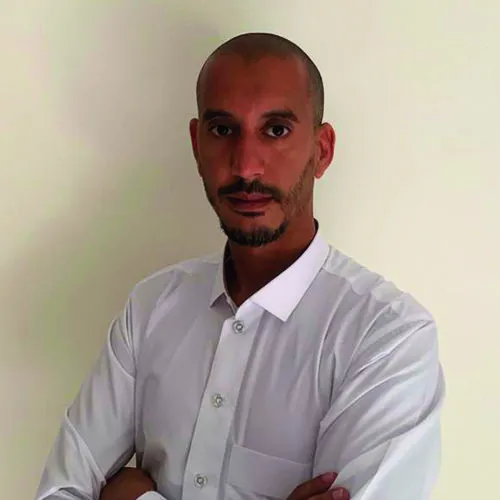
Tawfik BOUAMANE
Consultant Manager RabatContact us for a free valuation of your property!
Get a free and reliable valuation of your property in Marrakech, carried out by our local experts.