Owner's rights and obligations in Morocco: practical guide 2026
owner's rights and obligations in morocco: practical guide 2026
20 October 2026

The owner's rights and obligations in Morocco: what you need to know
Becoming the owner of real estate in Morocco represents a significant investment, whether it is an apartment, a villa, a riad, or commercial premises. However, owning real estate also entails legal and financial responsibilities that are essential to understand.
Between the right to dispose of one's property, tax obligations, maintenance of the dwelling, and the rules governing rentals, Moroccan legislation provides several provisions intended to protect owners while respecting the rights of tenants and third parties.
Here are the main rights and obligations to know to manage real estate in Morocco with peace of mind.
1. What are an owner's rights in Morocco?
The owner has several rights over their property, subject to compliance with the laws in force, planning rules, and any restrictions related to the nature of the title deed.
The right to use and dispose of one's property
In principle, the owner may occupy the dwelling, renovate it, sell it, transfer it to their heirs, or rent it out. They may also carry out improvement works, provided the necessary administrative authorizations and the rules applicable to the building are respected.
However, it is important to check the legal status of the property before any operation. A titled property, melkia property, or property that is the subject of a registration procedure do not necessarily offer the same guarantees or formalities.
The right to collect rent
When they rent out their property, the owner has the right to receive the rent agreed in the lease, according to the terms and deadlines provided.
They may also demand payment of amounts due in the event of delay and initiate appropriate legal steps if the tenant does not comply with their contractual obligations.
The rent amount, the conditions for revision, the security deposit, and the termination terms must be governed in accordance with the applicable legislation.
The right to sell or transfer one's assets
The owner may sell their real estate or transfer it by way of a gift or inheritance, subject to applicable legal and tax rules.
For a sale, it is essential in particular to verify the title documents, any mortgage situation, the necessary authorizations, and the tax obligations related to the transaction.
Support from a notary or a competent professional helps secure the process and limit the risk of disputes.
2. What are the owner's obligations?
The owner's rights come with responsibilities that vary depending on whether the property is occupied personally, rented out, or located in a co-ownership.
Maintain the dwelling and ensure its compliance
The owner must ensure that the dwelling can be used in accordance with its intended purpose. When renting out a property, they must deliver it under the conditions provided by law and the contract, with the agreed equipment.
Major repairs for which they are responsible must be covered in accordance with the applicable rules. Conversely, damage attributable to the tenant and repairs related to normal use may fall to the latter, depending on their nature and the circumstances.
For renovation, extension, or transformation works, the owner must also check whether administrative authorization is necessary.
Respect the tenant's rights
Real estate leasing is governed in particular by Moroccan Law No. 67-12 on contractual relations between landlords and tenants of premises for residential or professional use.
The owner must comply with the clauses of the lease and may not repossess the dwelling by force or carry out an eviction themself. In the event of unpaid rent or tenant default, they must follow the legal procedures provided.
It is therefore advisable to favor written communications, keep proof of payment, and seek a legal professional in the event of a dispute.
Pay applicable taxes
Holding, renting, or selling a property may entail various tax obligations.
Depending on the owner's situation and the nature of the property, it is important in particular to check:
The housing tax and the rules applicable to the municipal services tax.
Taxation of rental income.
Capital gains tax on real estate in the event of a sale, where applicable.
Any exemptions, deductions, and filing obligations.
The rules depend in particular on the use of the property, the owner's tax situation, and the provisions in force. For real estate transactions carried out in 2026, it is recommended to consult the updated General Tax Code and information from the General Directorate of Taxes.
Morocco
+2
3. The owner's obligations in co-ownership
When an apartment or premises is located in a condominium building, the owner must comply with the condominium rules and contribute to the common expenses for which they are responsible.
These expenses may concern maintenance of the common areas, cleaning, the elevator, security, lighting, or works voted in accordance with the applicable rules.
The owner must also respect the rights of other co-owners and not carry out works that harm the common areas or the rights of other occupants.
In Morocco, the co-ownership of built properties is governed in particular by Law No. 18-00, as amended by Law No. 106-12. The specific obligations also depend on the condominium rules and regularly adopted decisions.
AUTé
+1
4. Can the owner increase the rent freely?
No, the owner does not have absolute freedom to change the rent amount during the lease.
Rent revision is regulated by Moroccan legislation, notably Law No. 07-03 on the revision of rents for premises for residential, professional, commercial, industrial, or craft use.
Before any increase, it is important to check the legal conditions, the applicable timeframe, the nature of the contract, and any specific provisions that apply to the dwelling concerned.
Any increase must comply with the legal framework and cannot be imposed arbitrarily on the tenant.
5. What precautions should be taken before renting out a property?
To protect their investment and avoid disputes, the owner has an interest in carefully preparing to rent out their property.
Here are the main precautions to take:
Verify the title documents: ensure the property's legal status and the landlord's capacity.
Draw up a written contract: specify the parties' identities, the rent amount, the term, the payment terms, and other mandatory conditions.
Carry out an inventory of fixtures: document the condition of the dwelling and its equipment at the tenant's move-in and, ideally, at move-out.
Keep supporting documents: file receipts, invoices for works, communications, and proof of payment.
Anticipate expenses: plan a budget for maintenance, repairs, charges, and any periods without a tenant.
Check tax obligations: declare the relevant income and review the rules applicable to your situation.
These measures are particularly important for owners who wish to rent out a riad, an apartment, or a villa in Marrakech, whether year-round or as part of a rental activity subject to specific regulations.
6. Why seek support from a real estate professional?
Managing a real estate portfolio is not limited to collecting rent. It also requires good knowledge of the market, rigorous administrative follow-up, and an understanding of legal obligations.
A real estate professional can assist the owner with rent estimation, finding tenants, preparing the rental file, monitoring payments, and coordinating property maintenance.
For a sale, purchase, or inheritance, the involvement of a notary or a lawyer may also be necessary to verify documents and secure the procedures.
In Marrakech, where properties may be intended for primary residence, secondary residence, or rental investment, tailored support helps better anticipate constraints and preserve the value of the assets.
Conclusion
Being an owner in Morocco offers many possibilities: living in your home, renting it out, selling it, or transferring it. However, these rights come with obligations related to property maintenance, respect for tenants, co-ownership, and taxation.
Knowing the applicable rules and keeping documents up to date helps limit the risk of disputes and manage your assets more calmly.
For any real estate project in Marrakech, it is therefore essential to be well informed before making a decision and to seek a professional when the legal or tax situation requires it.The owner's rights and obligations in Morocco: what you need to know
Becoming the owner of real estate in Morocco represents a significant investment, whether it is an apartment, a villa, a riad, or commercial premises. However, owning real estate also entails legal and financial responsibilities that are essential to understand.
Between the right to dispose of one's property, tax obligations, maintenance of the dwelling, and the rules governing rentals, Moroccan legislation provides several provisions intended to protect owners while respecting the rights of tenants and third parties.
Here are the main rights and obligations to know to manage real estate in Morocco with peace of mind.
1. What are an owner's rights in Morocco?
The owner has several rights over their property, subject to compliance with the laws in force, planning rules, and any restrictions related to the nature of the title deed.
The right to use and dispose of one's property
In principle, the owner may occupy the dwelling, renovate it, sell it, transfer it to their heirs, or rent it out. They may also carry out improvement works, provided the necessary administrative authorizations and the rules applicable to the building are respected.
However, it is important to check the legal status of the property before any operation. A titled property, melkia property, or property that is the subject of a registration procedure do not necessarily offer the same guarantees or formalities.
The right to collect rent
When they rent out their property, the owner has the right to receive the rent agreed in the lease, according to the terms and deadlines provided.
They may also demand payment of amounts due in the event of delay and initiate appropriate legal steps if the tenant does not comply with their contractual obligations.
The rent amount, the conditions for revision, the security deposit, and the termination terms must be governed in accordance with the applicable legislation.
The right to sell or transfer one's assets
The owner may sell their real estate or transfer it by way of a gift or inheritance, subject to applicable legal and tax rules.
For a sale, it is essential in particular to verify the title documents, any mortgage situation, the necessary authorizations, and the tax obligations related to the transaction.
Support from a notary or a competent professional helps secure the process and limit the risk of disputes.
2. What are the owner's obligations?
The owner's rights come with responsibilities that vary depending on whether the property is occupied personally, rented out, or located in a co-ownership.
Maintain the dwelling and ensure its compliance
The owner must ensure that the dwelling can be used in accordance with its intended purpose. When renting out a property, they must deliver it under the conditions provided by law and the contract, with the agreed equipment.
Major repairs for which they are responsible must be covered in accordance with the applicable rules. Conversely, damage attributable to the tenant and repairs related to normal use may fall to the latter, depending on their nature and the circumstances.
For renovation, extension, or transformation works, the owner must also check whether administrative authorization is necessary.
Respect the tenant's rights
Real estate leasing is governed in particular by Moroccan Law No. 67-12 on contractual relations between landlords and tenants of premises for residential or professional use.
The owner must comply with the clauses of the lease and may not repossess the dwelling by force or carry out an eviction themself. In the event of unpaid rent or tenant default, they must follow the legal procedures provided.
It is therefore advisable to favor written communications, keep proof of payment, and seek a legal professional in the event of a dispute.
Pay applicable taxes
Holding, renting, or selling a property may entail various tax obligations.
Depending on the owner's situation and the nature of the property, it is important in particular to check:
The housing tax and the rules applicable to the municipal services tax.
Taxation of rental income.
Capital gains tax on real estate in the event of a sale, where applicable.
Any exemptions, deductions, and filing obligations.
The rules depend in particular on the use of the property, the owner's tax situation, and the provisions in force. For real estate transactions carried out in 2026, it is recommended to consult the updated General Tax Code and information from the General Directorate of Taxes.
Morocco
+2
3. The owner's obligations in co-ownership
When an apartment or premises is located in a condominium building, the owner must comply with the condominium rules and contribute to the common expenses for which they are responsible.
These expenses may concern maintenance of the common areas, cleaning, the elevator, security, lighting, or works voted in accordance with the applicable rules.
The owner must also respect the rights of other co-owners and not carry out works that harm the common areas or the rights of other occupants.
In Morocco, the co-ownership of built properties is governed in particular by Law No. 18-00, as amended by Law No. 106-12. The specific obligations also depend on the condominium rules and regularly adopted decisions.
AUTé
+1
4. Can the owner increase the rent freely?
No, the owner does not have absolute freedom to change the rent amount during the lease.
Rent revision is regulated by Moroccan legislation, notably Law No. 07-03 on the revision of rents for premises for residential, professional, commercial, industrial, or craft use.
Before any increase, it is important to check the legal conditions, the applicable timeframe, the nature of the contract, and any specific provisions that apply to the dwelling concerned.
Any increase must comply with the legal framework and cannot be imposed arbitrarily on the tenant.
5. What precautions should be taken before renting out a property?
To protect their investment and avoid disputes, the owner has an interest in carefully preparing to rent out their property.
Here are the main precautions to take:
Verify the title documents: ensure the property's legal status and the landlord's capacity.
Draw up a written contract: specify the parties' identities, the rent amount, the term, the payment terms, and other mandatory conditions.
Carry out an inventory of fixtures: document the condition of the dwelling and its equipment at the tenant's move-in and, ideally, at move-out.
Keep supporting documents: file receipts, invoices for works, communications, and proof of payment.
Anticipate expenses: plan a budget for maintenance, repairs, charges, and any periods without a tenant.
Check tax obligations: declare the relevant income and review the rules applicable to your situation.
These measures are particularly important for owners who wish to rent out a riad, an apartment, or a villa in Marrakech, whether year-round or as part of a rental activity subject to specific regulations.
6. Why seek support from a real estate professional?
Managing a real estate portfolio is not limited to collecting rent. It also requires good knowledge of the market, rigorous administrative follow-up, and an understanding of legal obligations.
A real estate professional can assist the owner with rent estimation, finding tenants, preparing the rental file, monitoring payments, and coordinating property maintenance.
For a sale, purchase, or inheritance, the involvement of a notary or a lawyer may also be necessary to verify documents and secure the procedures.
In Marrakech, where properties may be intended for primary residence, secondary residence, or rental investment, tailored support helps better anticipate constraints and preserve the value of the assets.
Conclusion
Being an owner in Morocco offers many possibilities: living in your home, renting it out, selling it, or transferring it. However, these rights come with obligations related to property maintenance, respect for tenants, co-ownership, and taxation.
Knowing the applicable rules and keeping documents up to date helps limit the risk of disputes and manage your assets more calmly.
For any real estate project in Marrakech, it is therefore essential to be well informed before making a decision and to seek a professional when the legal or tax situation requires it.
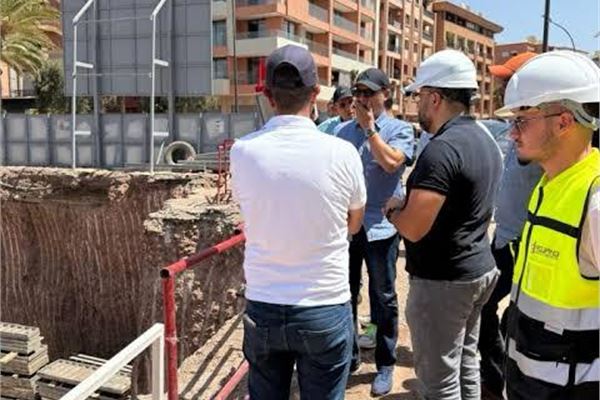


L'équipe de Real-dreamhouse
Notre équipe dynamique et dédiée à la clé de votre succès. Nous offrons un service professionnel sur mesure, respectant des standards élevés pour réaliser vos ambitions immobilières.

Benoit PRIVEL
Fondateur Manager
Salwa SAMSAK
Manager Événementiel
Sophie BELLAVOINE
Manager Consultant
Tawfik BOUAMANE
Consultant Manager RabatContact us for a free valuation of your property!
Get a free and reliable valuation of your property in Marrakech, carried out by our local experts.